


How to choose who assesses your child for ADHD or autism

There has been much in the news recently, as there so often is, about waiting lists for assessments for ADHD, autism and other neurodivergent conditions affecting children in the UK. With NHS waiting times frequently stretching to several years, some families may consider private assessment as an alternative.
Choosing a private provider is about more than simply finding someone who can offer an earlier appointment. The experience, approach and ongoing support offered by a practice can make a significant difference to your child and your family. So, what should you look for when making this important decision?
Qualifications and experience
First, check the qualifications and professional registration of the people carrying out the assessment. Different professionals have different areas of expertise, so it is important to understand who will be assessing your child and whether they have the appropriate training and experience.
Dr Zoe Cross and her team at Cross Psychology bring together many years of experience across both NHS and private provision. This understanding of different settings helps the team appreciate the challenges families face and the importance of a thorough, considered assessment.
Zoe is a clinical psychologist (https://www.crosspsychology.com/about), regulated by the HCPC. She is a highly qualified doctor and accredited therapist - committed to helping families navigate neurodivergence. She has also studied further, understanding specialist areas such as ‘Emotionally based school avoidance’ and ‘Assessing selective mutism’ for example.
Empathy and understanding
An assessment can feel daunting for a child and their parents. Look for a practice that takes time to listen, understands your concerns and recognises that every child is different. Your child should feel safe, respected and able to express themselves without feeling judged.
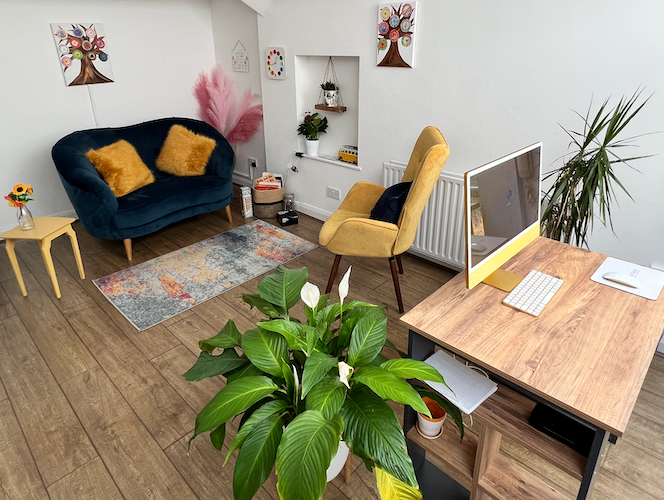
A child-friendly environment
The setting and approach should be appropriate for your child's age, needs and personality. Ask how and where the assessment will be conducted, what your child can expect, and how the team helps children feel comfortable throughout the process. Also ask if your child will be present for the entire consultation.
A clear and timely process
Private assessment may offer a quicker route to understanding your child's needs, but it is worth asking about waiting times, the assessment process, and when you can expect to receive feedback. A reputable practice should explain the process clearly, without making promises it cannot keep. Equally, by paying for your consultation, you should expect an efficient service.
An opportunity to ask questions
A free initial conversation can be valuable, giving you the chance to discuss your concerns, understand the options available and decide whether the practice feels right for your family before committing to an assessment. Dr Cross will also be able to advise whether further assessment is recommended at this stage.
A diagnosis isn't always the answer
A good assessment should seek to understand your child, rather than simply confirm a particular diagnosis. Sometimes the outcome will be that a diagnosis is not appropriate or different to what you were expecting. All findings are important and should be explained sensitively, with guidance on what to do next.
Managing a diagnosis
If your assessment leads to a diagnosis, it’s important to understand exactly what your report results mean. A good practice will take the time to go through your diagnosis with you, with an option for a more in-depth consultation if you would like one.
Support beyond the assessment
Finally, consider what happens afterwards. A report is useful, but families may also need advice about next steps, support at home and communication with school. Ask what follow-up support is available and where you can turn for further guidance. Dr Cross is developing an extensive support service, much of it free of charge - from free parent drop-ins, through to 6-week online courses. There is also an expanding library of resources becoming available specifically for neurodivergent support.
Making an informed choice
Choosing who assesses your child is an important decision. Look beyond availability and consider qualifications, experience, empathy and the support offered throughout the journey.
At Cross Psychology, Dr Zoe Cross and her team believe that every family deserves a thoughtful, professional and individual approach, helping them gain a clearer understanding of their child with guided next steps.
About the author: Reviewed by Dr Zoe Cross, DClinPsy, CPsychol, is a Clinical Psychologist and founder of Cross Psychology. She specialises in neurodivergent conditions including ADHD, autism and cognitive differences such as dyslexia and dyscalculia in children, young people and adults. Zoe is regulated by the Health and Care Professions Council (membership number PYL24596)

Comments